Asian Games Men A Complete Guide to Men’s Sports, History, and Sporting Excellence
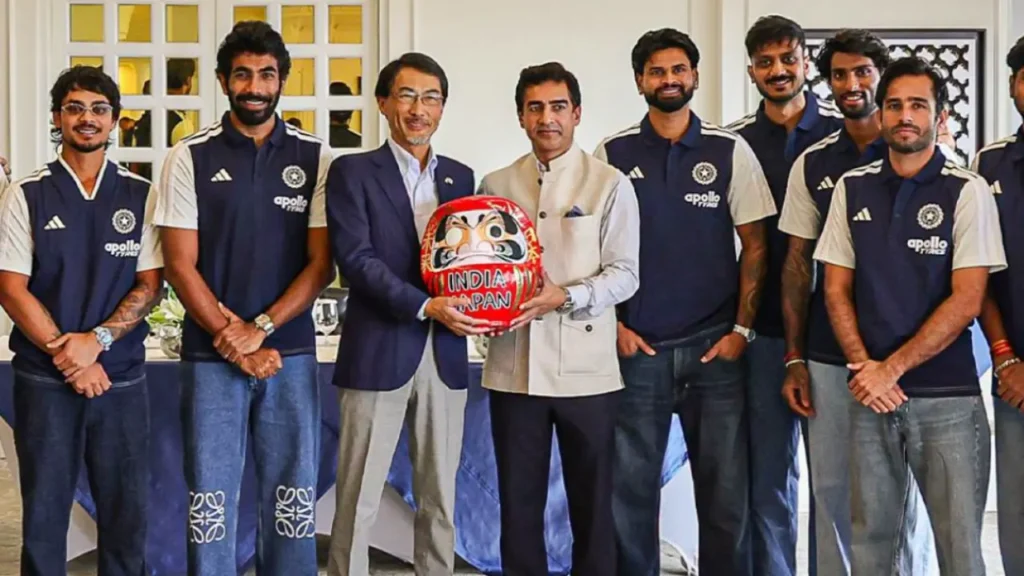
The Asian Games Men category represents some of the most exciting athletic competitions in Asia. From cricket and football to athletics, wrestling, boxing, and swimming, male athletes from different countries come together to showcase their skills, determination, and national pride. Every competition brings its own story, whether it’s an experienced champion defending a title or a young athlete making a breakthrough.
But what makes men’s events at the Asian Games so special? Is it the fierce competition, the variety of sports, or the opportunity to see future international stars in action? The answer is a combination of all three.
In this article, we’ll explore men’s sports at the Asian Games, their history, popular competitions, and why these events attract sports fans across the continent.
1. What Are the Asian Games for Men?
The Asian Games, also known as the Asiad, are a major multi-sport event featuring athletes from countries across Asia. Men’s competitions form an important part of the program, with athletes competing individually and as members of national teams.
The events cover a wide range of sporting disciplines. Depending on the edition, participants may compete in:
-
Athletics and track-and-field events
-
Football
-
Cricket
-
Boxing
-
Wrestling
-
Swimming
-
Badminton
-
Hockey
-
Archery
-
Weightlifting
Each sport has its own rules, qualification requirements, and competition format. Some events focus on individual performance, while others depend on teamwork and tactical decisions.
For sports fans, the Asian Games offer a chance to watch athletes compete at a major international level without limiting the action to a single sport.
2. A Brief History of Men’s Asian Games Competition
The first Asian Games took place in 1951 in New Delhi, India. The event was created to promote sporting cooperation and friendly competition among Asian nations.
Since then, the Games have developed into a major sporting occasion. More countries, athletes, and sports have participated over the decades, creating a platform for athletic achievement and cultural exchange.
Men’s competitions have been part of this development from the beginning. Over time, established sporting powers and emerging nations have competed for medals, records, and recognition.
The history of the Asian Games is not simply a list of winners. It’s also a story of athletes who trained for years, overcame setbacks, and represented their countries on a large stage.
3. Popular Men’s Sports at the Asian Games


Men’s events at the Asian Games cover both traditional sports and modern competitions. Some attract enormous audiences, while others appeal to dedicated fans who appreciate technical skill and athletic precision.
Let’s look at a few of the most popular categories.
Men’s Football
Football is one of the most followed sports in Asia. The Asian Games men’s football tournament typically features national teams with age-related eligibility rules that can vary by edition.
The competition gives young players an opportunity to gain international experience. For many athletes, it can become an important step toward senior national-team football.
The matches are about more than scoring goals. Teamwork, defensive organization, fitness, and the ability to handle pressure all play a role.
Men’s Cricket
Cricket has become a major attraction at the Asian Games when included in the official program. The format and participating teams can differ between editions, but the sport provides a stage for players to compete in a multi-sport environment.
For fans, cricket adds a familiar but different dimension to the Games. A single over can change the momentum of a match, much like a last-minute goal can transform a football game.
Men’s Athletics
Athletics includes a broad collection of events, such as sprinting, distance running, jumping, and throwing.
The 100-meter sprint, for example, can be decided by fractions of a second. In distance running, pacing and endurance become essential. Field events require a combination of technique, power, and consistency.
Athletics is often considered one of the central components of a multi-sport event because it showcases different forms of human physical performance.
Men’s Boxing and Wrestling
Combat sports have a long-standing place in Asian sporting competition. Boxing and wrestling demand strength, conditioning, discipline, and tactical awareness.
An athlete may need to adapt quickly to an opponent’s movements while maintaining control under intense pressure. Success requires more than physical power; timing and decision-making matter just as much.
4. India’s Role in Men’s Asian Games Sports
India has a long history of participation in the Asian Games, including men’s competitions across multiple disciplines.
Indian athletes have competed in sports such as hockey, athletics, wrestling, boxing, shooting, badminton, and cricket when it has been included in the program.
Men’s hockey has particular historical importance in Indian sport. The country has also produced athletes who have earned recognition in individual events, demonstrating the variety of India’s sporting participation.
However, medal performances differ from one edition to another. A fair assessment of India’s performance should consider the specific Games, sport, event, and official results rather than relying on general expectations.
For young Indian athletes, the Asian Games can provide experience competing against strong opponents from different sporting systems.
5. How Men’s Events Are Organized
Not every men’s event follows the same format. The rules depend on the sport and the regulations established for each edition.
Some competitions begin with qualification rounds, while others use group stages followed by knockout matches. Individual sports may use heats, ranking rounds, or direct elimination.
Here are a few examples:
| Sport | Common competition format |
|---|---|
| Athletics | Heats, qualifying rounds, and finals |
| Football | Group stage and knockout rounds |
| Boxing | Draw-based elimination bouts |
| Badminton | Individual or team tournament formats |
| Swimming | Heats and timed finals |
These formats help determine which athletes or teams advance. They also create different kinds of pressure. A sprinter may have to deliver a strong performance in a short race, while a football team must manage its energy across multiple matches.
6. Training and Preparation for Male Athletes
Behind every Asian Games performance are months or years of preparation. Athletes work on physical fitness, technical ability, tactical understanding, and mental readiness.
A footballer might focus on passing, positioning, and match fitness. A boxer may concentrate on footwork, defensive movement, and conditioning. A swimmer often trains to improve efficiency, speed, and race execution.
Preparation also involves recovery and consistency. Training too hard without sufficient recovery can affect performance, so professional athletes typically work with coaches and support teams to structure their routines.
Nutrition, sleep, injury prevention, and competition experience can all influence an athlete’s readiness.
Think of preparation as building a foundation. A single impressive training session rarely determines the result of a major tournament. Consistent work over time is what helps athletes perform when the spotlight is brightest.
7. Why the Asian Games Matter to Men’s Sports
The Asian Games create opportunities for athletes to compete beyond domestic tournaments. They also connect sporting communities from different countries and backgrounds.
For some participants, the Games provide experience against opponents they may not regularly face. For others, they offer a chance to build on achievements from regional or international competitions.
The event can also help raise the profile of sports that receive less attention outside major tournaments. A strong performance in an individual discipline may encourage younger athletes to explore that sport.
At the same time, the value of the Games extends beyond medals. Sporting events can promote cultural exchange, discipline, and respect for competitors.
8. Challenges Faced by Men’s Asian Games Athletes
Competing at an international event comes with several challenges. Athletes may face unfamiliar opponents, demanding schedules, travel, and the pressure of representing their countries.
Team sports involve additional challenges because players must coordinate their strategies and respond to changing match situations. Individual competitors, meanwhile, may have to manage the mental demands of performing without teammates directly sharing their competitive role.
The standard of competition can also vary between sports and events. Athletes need to prepare for the specific demands of their discipline rather than rely on reputation alone.
For this reason, preparation, adaptability, and support systems remain important parts of high-level sports participation.
9. Following Asian Games Men’s Results
Sports fans who want to follow men’s Asian Games events should look for reliable information from official competition sources and established sports organizations.
Useful details to follow include:
-
Event schedules and starting times
-
Participating teams and athletes
-
Group-stage standings
-
Qualification results
-
Medal results
-
Official competition rules
The exact sports, participating athletes, and schedules depend on the edition of the Asian Games. Checking official announcements is especially important when searching for current results or upcoming matches.
For fans, following a tournament over time can make the experience more engaging. You get to see how athletes progress, how teams respond to setbacks, and how individual performances contribute to the wider competition.
10. The Future of Men’s Sports at the Asian Games
Men’s sporting competition at the Asian Games will continue to reflect changes in the wider sporting world. Athlete development, coaching methods, technology, and international competition all influence how sports evolve.
Different editions may introduce changes to the sports program or competition structures. The inclusion of specific sports can create opportunities for athletes from different backgrounds and sporting systems.
For fans, the future offers the prospect of following new competitors and discovering events they may not have watched before.
The most important element remains the athletes themselves. Their dedication, preparation, and performances are what turn a competition into a memorable sporting occasion.
Conclusion
The Asian Games Men category brings together a wide range of sports, from football and cricket to athletics, boxing, and swimming. It provides athletes with an international platform to compete, gain experience, and represent their countries.
Whether you’re a passionate sports follower or someone discovering the Asian Games for the first time, men’s events offer plenty to explore. Every discipline has its own challenges, and every athlete brings a different journey to the competition.
From the starting line of a sprint to the final moments of a team match, the Asian Games showcase the effort and determination behind international sport. As new editions arrive, fans can continue to follow the athletes, events, and stories that make the Games an important part of Asian sporting culture.